


Compare actual browser presets
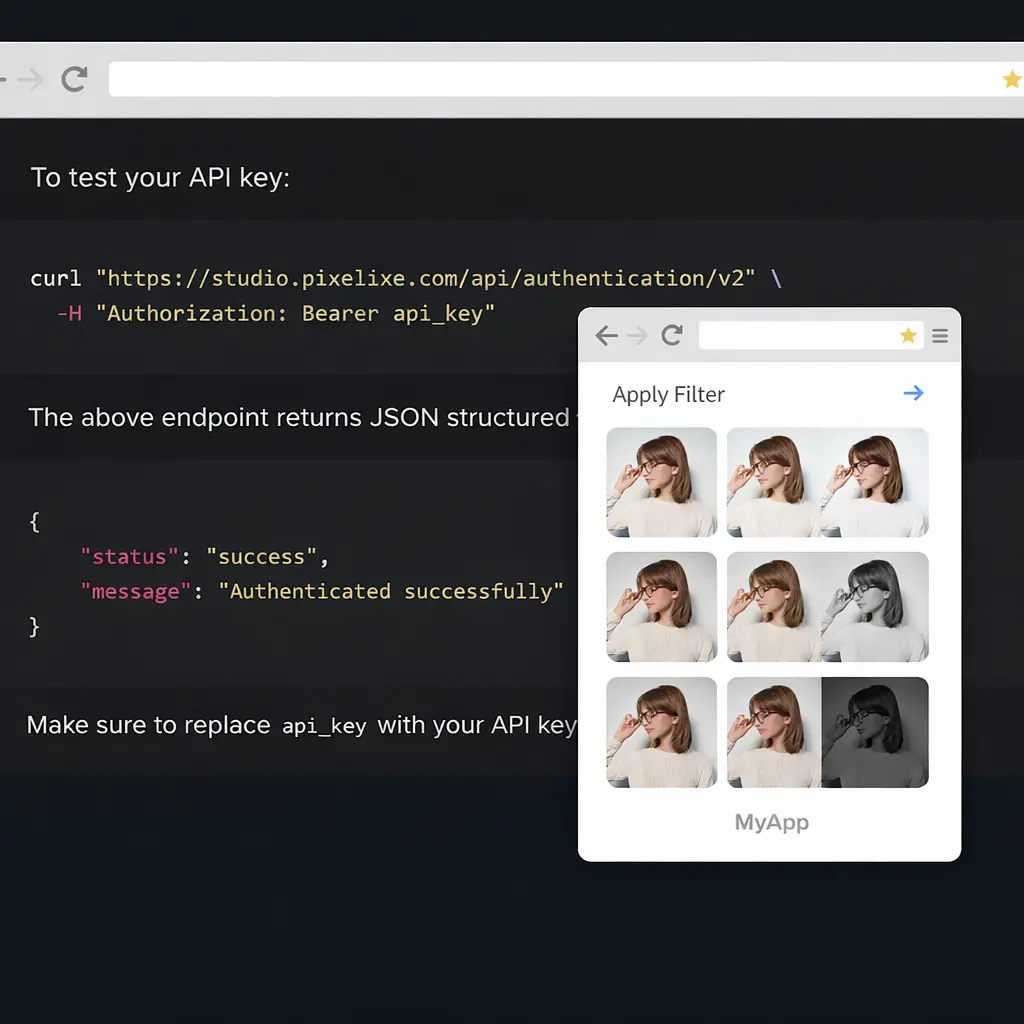
The interactive examples use the Filterous presets already available in the photo tool. They do not demonstrate an authenticated API call.
Compare the live preset results →Apply ready-made image filters, Instagram-like presets, and custom photo effects from your backend. Use the Pixelixe Photo Filter API to stylize images for apps, marketplaces, AI tools, user-generated content, and publishing workflows.
Use this API when your product needs visual styling, color treatments, and ready-made filter effects without building your own image processing pipeline.

The live filter tool is useful for exploring a visual direction; the documented API example defines the backend request.
The interactive examples use the Filterous presets already available in the photo tool. They do not demonstrate an authenticated API call.
Compare the live preset results →Start from the Photo Filter API reference rather than assuming that a browser control has the same parameter contract.
Read the filter API contract →Pixelixe applies image filters, photo effects, color treatments, and stylized presets through API calls so teams can enhance visuals without building a custom filter engine.
It fits SaaS teams, marketplaces, mobile apps, AI products, social tools, ecommerce systems, and content workflows that need stylized images programmatically.
Send an image URL plus a preset name or effect parameters such as brightness, contrast, blur, grayscale, opacity, saturation, or custom filter settings.
Return filtered images ready for feeds, profiles, marketplaces, AI outputs, ecommerce catalogs, user-generated content, and publishing workflows.
Start a Pixelixe trial or subscribe to the Automate plan to access the photo filter endpoints and test them on your own image URLs.
Pass an image URL plus a preset such as Clarendon, Hefe, Sepia, or a custom effect configuration with the adjustments you want to apply.
Consume the filtered image directly in your app, workflow, or background job without shipping image processing logic to the client.
The Clarendon image filter cools down your photo by adding light to lighter areas and dark to darker areas (increases saturation and contrast).
https://studio.pixelixe.com/api/photo/effect/v2?apiKey=YOUR_API_KEY&preset=clarendon&imageUrl=https://yoururl.com/image.png
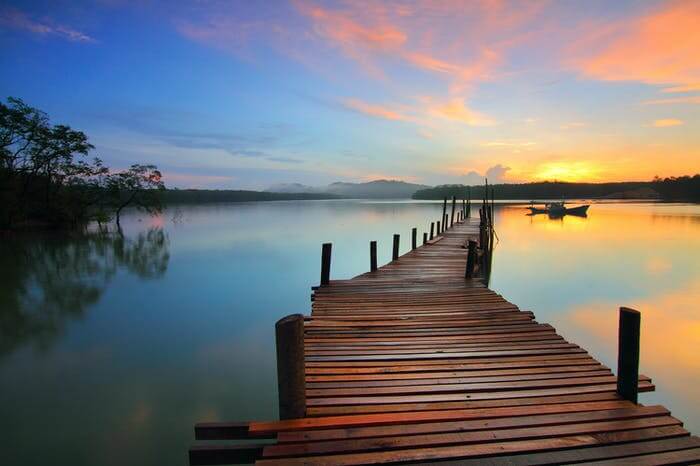
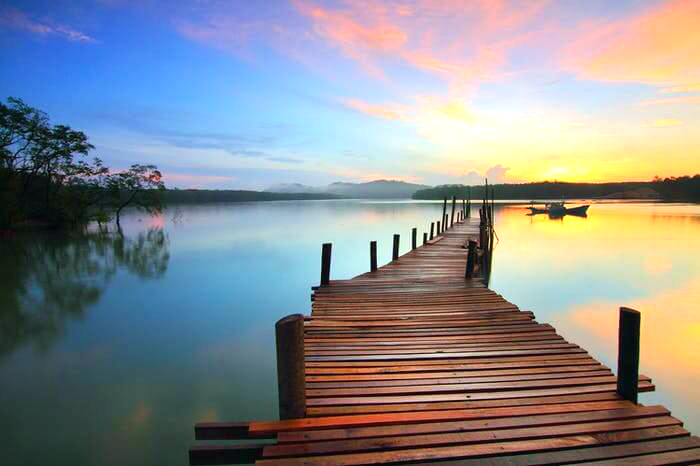
The Sepia image filter adds a warm brown tone to the pictures and makes the image a bit vintage.
https://studio.pixelixe.com/api/sepia/v1?apiKey=YOUR_API_KEY&imageUrl=https://yoururl.com/image.png
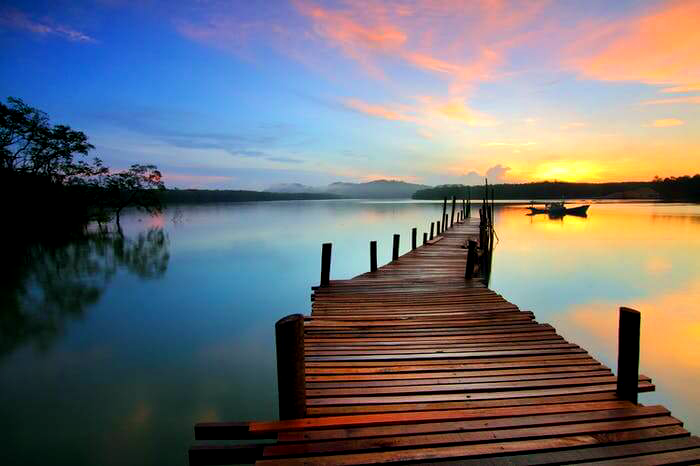
The Hefe image filter add high contrast and saturation, with a similar effect to Lo-Fi but not quite as dramatic. Hefe makes your photo sharper and more saturated with deeper shadows. Ideal filter for awesome and inspiring landscapes
https://studio.pixelixe.com/api/photo/effect/v2?apiKey=YOUR_API_KEY&preset=hefe&imageUrl=https://yoururl.com/image.png
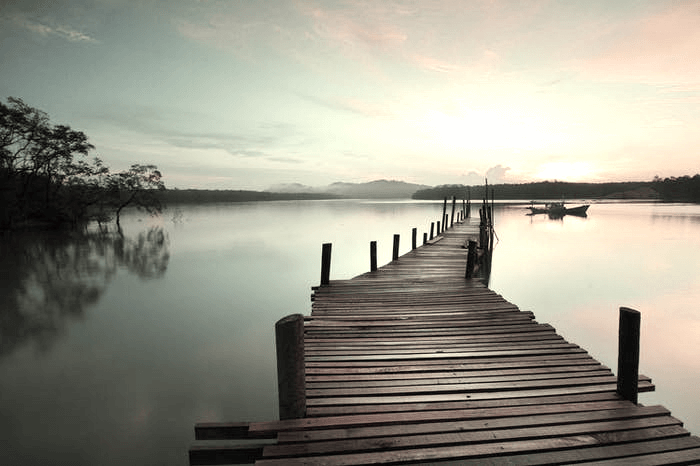
The Moon image filter increases brightness and decreases contrast.
https://studio.pixelixe.com/api/photo/effect/v2?apiKey=YOUR_API_KEY&preset=moon&imageUrl=https://yoururl.com/image.png
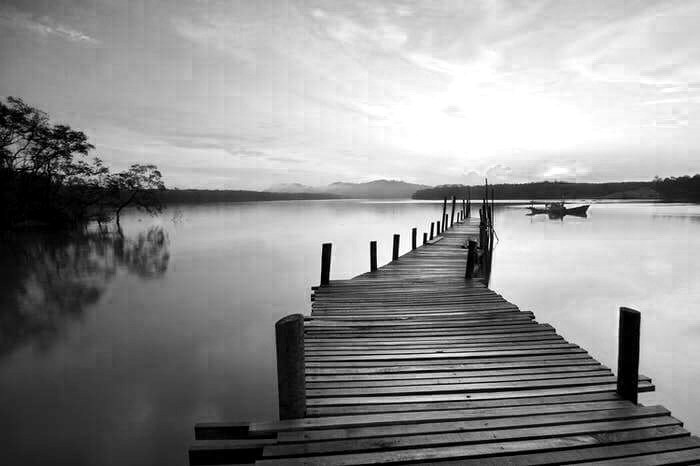
The Ludwig image filter add a slight hint of desaturation that also to enhance light. More precisely, Ludwig reduces the saturation and luminance for almost all colors with the exception of the color red, which actually becomes more saturated, therefore more visible.
https://studio.pixelixe.com/api/photo/effect/v2?apiKey=YOUR_API_KEY&preset=ludwig&imageUrl=https://yoururl.com/image.png
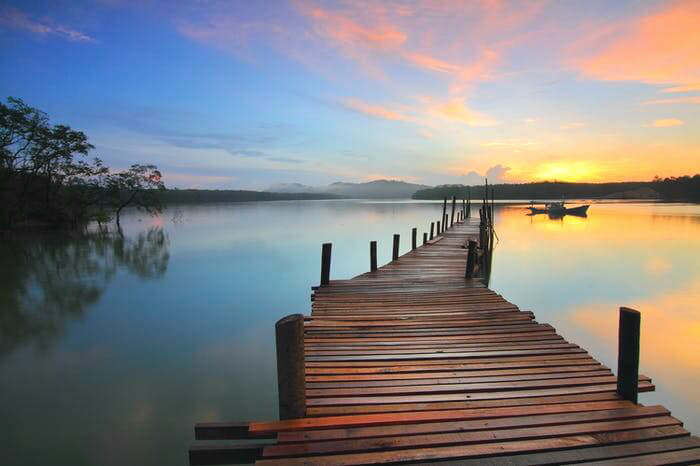
The Grayscale image filter transforms your photo to black and white. This filter removes all color information, leaving only the luminance of each pixel.
https://studio.pixelixe.com/api/grayscale/v1?apiKey=YOUR_API_KEY&imageUrl=https://yoururl.com/image.png
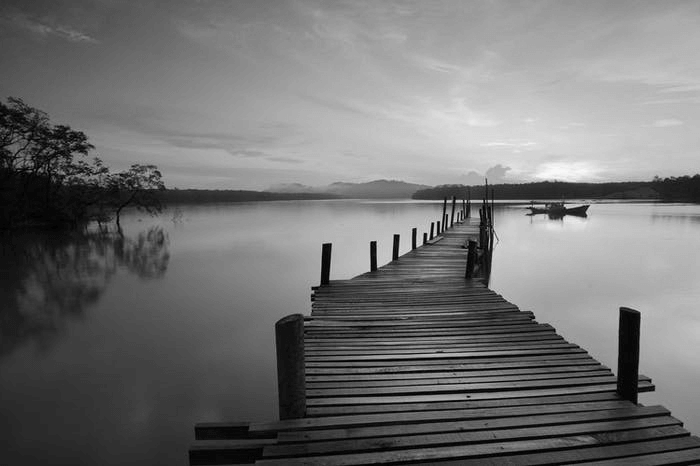
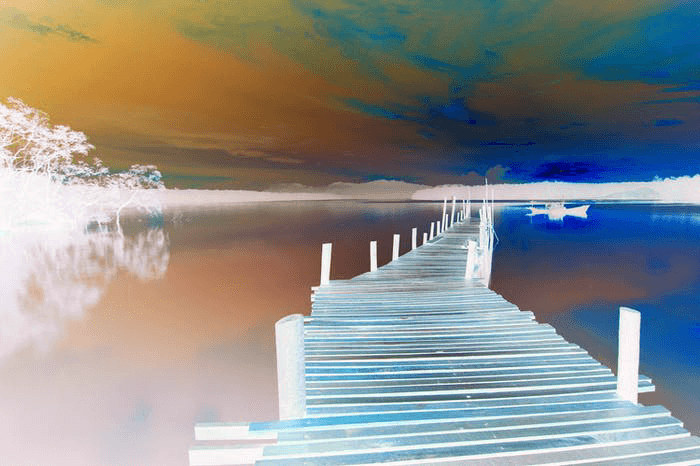
The Invert image filter inverts your image colors.
https://studio.pixelixe.com/api/invert/v1?apiKey=YOUR_API_KEY&imageUrl=https://yoururl.com/image.png
Use the Photo Filter API when your product needs stylized visuals, not just structural image transforms.
Apply recognizable visual styles to user photos, content previews, creator posts, and profile media without moving filter logic to the client.
Standardize mood, tone, and color treatment across product images, lifestyle photos, and campaign creatives for catalogs and storefronts.
Post-process generated or uploaded images with consistent filters before they are returned to users, sent to moderation, or pushed into publishing flows.
Create reusable image styles for campaigns, content operations, and product experiences when teams need the same visual language everywhere.
Use the Photo Filter API when your main need is image styling. Use the Image Editing API for crop, resize, rotate, or compression. Use the Image Generation API when you need template-based rendering at scale. Use the white-label editor when end users need to edit visuals inside your product.
This page focuses on image filters and visual styling. These pages cover structural editing, template rendering, embedded editing, and the broader API stack.
Use server-side resize, crop, rotate, flip, blur, compression, and other image processing operations.
Render branded images from reusable templates and structured data after filter or editing steps.
Embed branded editing when end users need to upload, crop, style, and export visuals themselves.
Explore the full Pixelixe API stack, including image filters, image editing, JSON rendering, and creative automation.
The Pixelixe Photo Filter API lets developers apply image filters, photo effects, brightness and contrast adjustments, blur, grayscale, and custom looks to images through HTTP requests.
You can apply ready-made presets such as Clarendon, Hefe, Ludwig, Moon, Sepia, grayscale, invert, and other filter combinations, or build custom looks by adjusting color, contrast, opacity, and other values.
Use the Photo Filter API when your main need is image effects, color treatments, and visual styling. Use the Image Editing API when you need structural image transformations such as resize, crop, rotate, flip, convert, or overlays.
The API fits SaaS products, marketplaces, social tools, AI apps, mobile backends, ecommerce systems, and content workflows that need to stylize images programmatically.