Build the first ecommerce campaign template
Create banners and product ads in Studio, then keep the layout reusable as you scale it across your catalog, markets, and channels.
See Pixelixe Studio ...
Generate collection banners, price-drop promos, product ads, and localized ecommerce visuals from reusable templates and product data without rebuilding every asset manually.
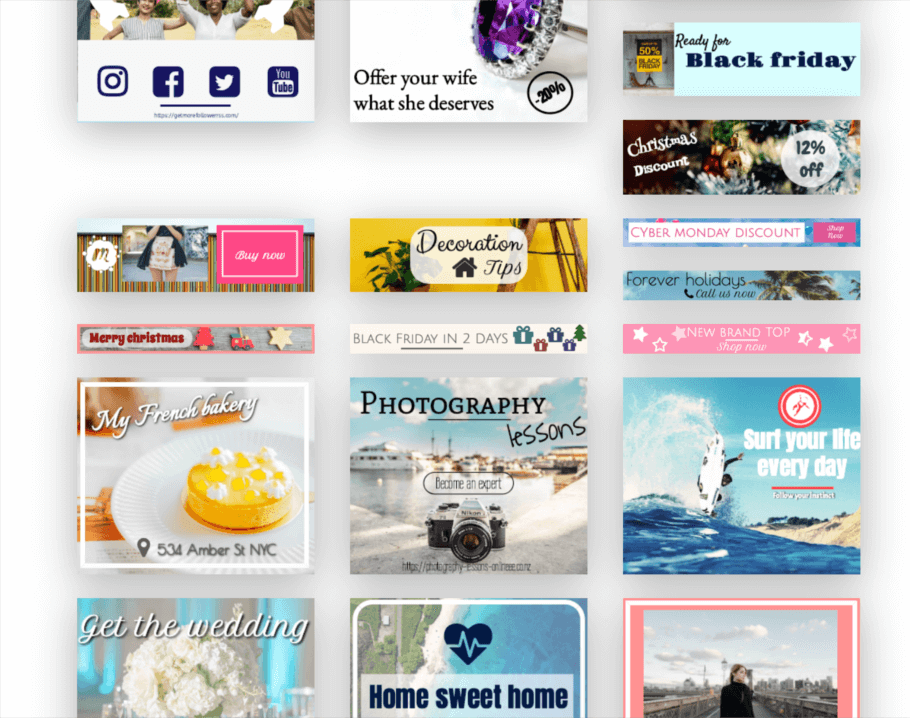
Use Pixelixe when product images, prices, discounts, inventory, markets, or campaign copy change too often for manual banner production. One approved ecommerce template can generate many storefront, ad, email, and social variants from spreadsheets, product feeds, or API payloads.
| Catalog field | Banner element | Best workflow |
|---|---|---|
| Product image, title, price, discount | Hero visual, headline, price badge, offer text | Product Image Automation API |
| Collection, category, campaign theme | Template selection and layout variant | Dynamic Banner Generation |
| Country, language, currency, local offer | Localized copy, price, CTA, disclaimer | Localized campaign automation |
| Operations spreadsheet | Bulk banners for campaign launch | Generate images from spreadsheets |
Create one ecommerce template, then generate banner variants for each product, market, offer, and channel directly from your catalog.
Keep layout, hierarchy, and brand rules stable while updating product images, pricing, offers, and localized copy through spreadsheets or APIs.
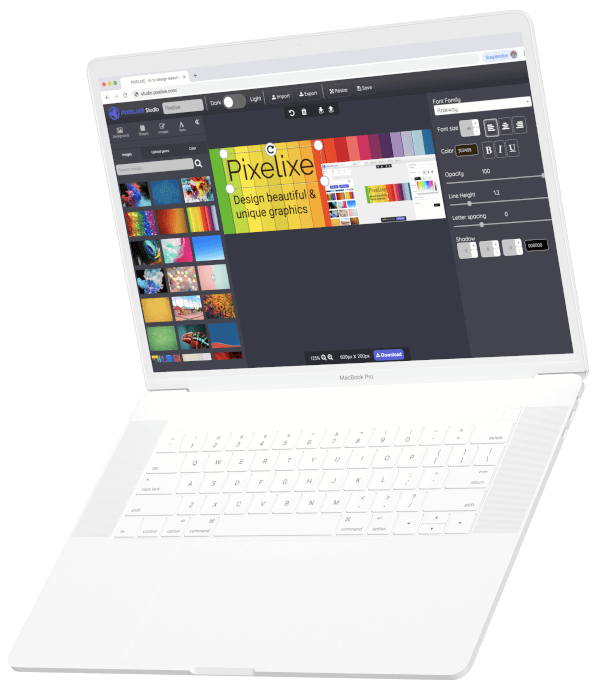
Create banners and product ads in Studio, then keep the layout reusable as you scale it across your catalog, markets, and channels.
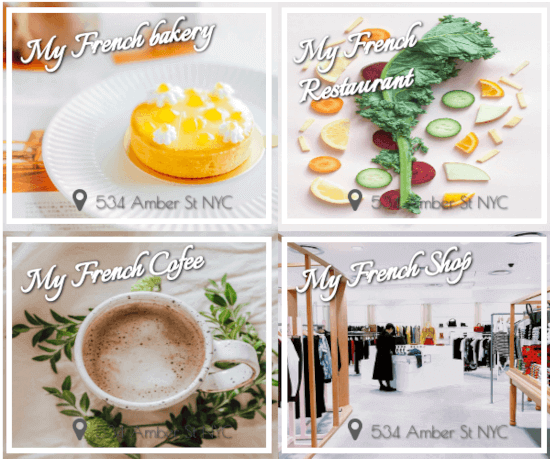
Auto-generate targeted banners for price changes, audience segments, collections, or product feeds using the same reusable template system.
Image Generation API ...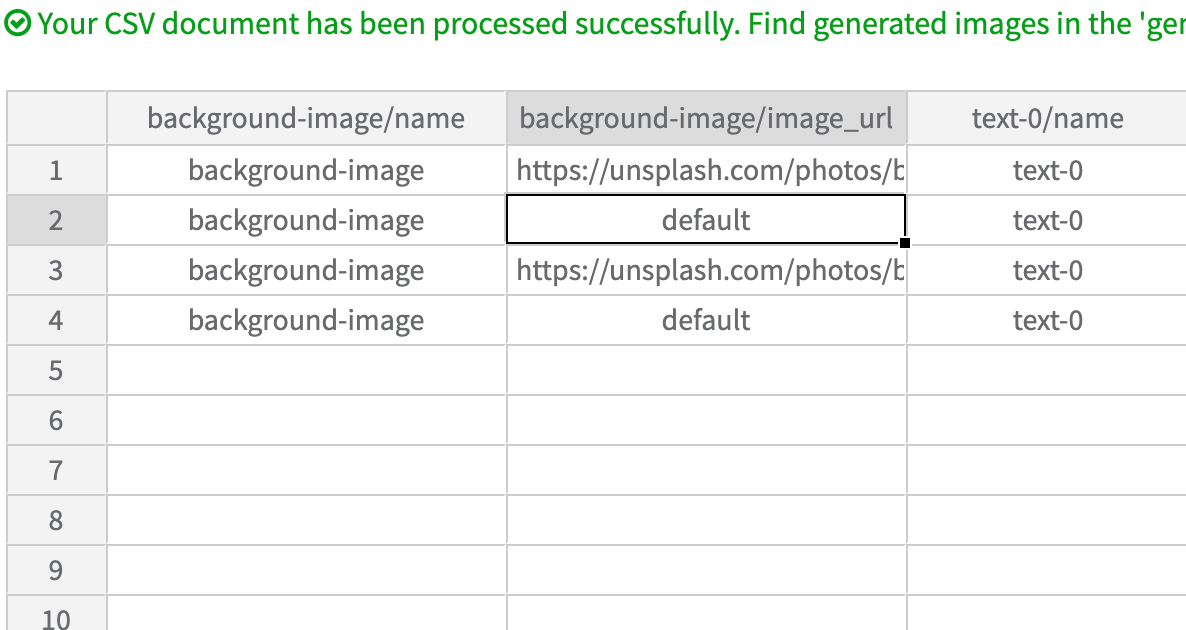
Add product details, prices, offers, and product images in a spreadsheet, then convert the data into branded banners in one click.
Generate images from spreadsheet ...Pixelixe helps merchandising and growth teams design one ecommerce template, then generate the sizes, offers, products, pricing updates, regional promos, and recurring storefront variants they need from the same system.
Update prices, offers, product images, and promotional copy without rebuilding every ecommerce banner manually.
Generate sale banners, collection visuals, marketplace assets, and product ads from one branded template system.
Start with spreadsheets for operations teams, then switch to API-driven rendering when your product feed or backend needs direct control.
Pixelixe generates ecommerce banners, product ads, sale visuals, and catalog-ready images from reusable templates and product data.
It fits merchandising teams, ecommerce marketers, catalog operators, agencies, and storefront teams managing frequent visual updates.
Use catalog feeds, spreadsheet rows, prices, offer windows, localized copy, regional promos, and image URLs to update one template system.
Produce collection banners, price-drop promos, marketplace visuals, recurring storefront assets, and multi-size ecommerce outputs without rebuilding each layout.
Ecommerce banner generation becomes much stronger when feed-based updates, template logic, and API rendering all work from the same system.
See the solution workflow for converting catalog rows, prices, offers, and product images into reusable campaign visuals.
Use the developer workflow when Shopify product data should trigger branded product image generation.
See the solution workflow for converting catalog rows, prices, offers, and product images into reusable campaign visuals.
Use the developer workflow when Shopify product data should trigger branded product image generation.
Map product rows, offers, and prices to branded templates for bulk ecommerce production.
Go deeper into price updates, merchandising banners, catalog offers, and recurring promo variants driven by feed rows.
Render product visuals from structured catalog payloads when your backend owns the data flow.
Use the developer API path when catalog feeds, product data, prices, and offers should render product creatives automatically.
Generate ecommerce images and product banner variants directly from API calls.
See the broader reusable-template workflow behind recurring ecommerce image production.
Pixelixe starts from a reusable ecommerce template, then updates copy, prices, products, offers, and images from spreadsheet rows, feeds, or API payloads to generate new banner variants.
Yes. Pixelixe can update product details, promotional messages, image URLs, prices, localized copy, and regional variants while keeping the same branded layout.
Use spreadsheets when ecommerce or merchandising teams want a simpler operational workflow. Use the API when your backend systems or feed pipelines need direct render control.
Pixelixe can generate collection banners, product promos, price-drop visuals, sale ads, marketplace assets, localized ecommerce images, and multi-size banner variants.