
Streamlining Business Design Workflows - Integrating Digital and Print Solutions
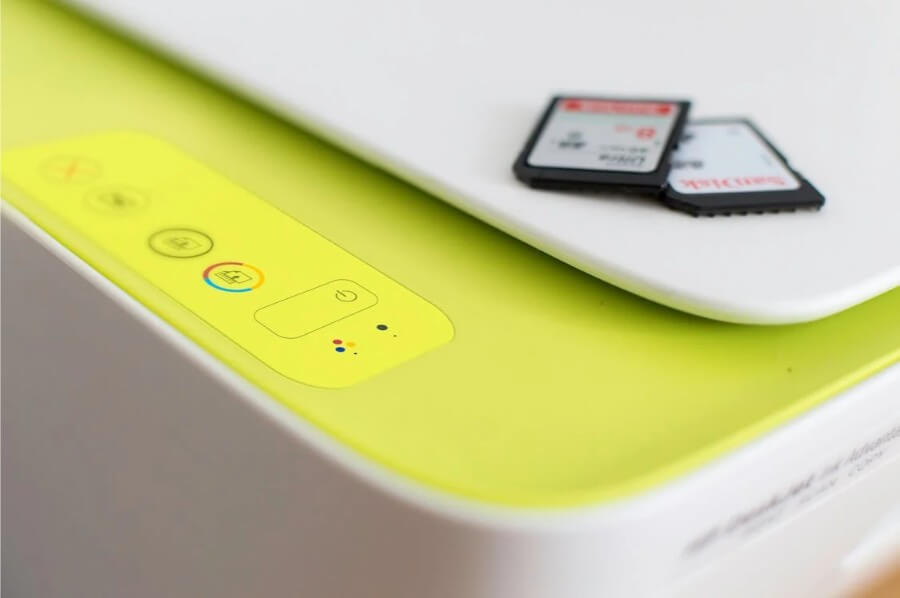
In today’s rapid-paced business environment, one truth holds. Maintaining consistency between digital and print marketing can feel like juggling two different worlds. Yet, we all know how super critical it is to get this right.
Make the print and digital handover use the same approved record
Print and digital assets can share a visual system while requiring different production files. Confirm the receiving specification rather than exporting one image everywhere. A screen preview does not establish the appearance, trim or readability of a printed piece.
For an illustrative promotion, record the approved offer, artwork version and destination. Check the printer’s required dimensions, bleed and colour workflow, then review a sample when appropriate. For a QR code, test the final printed size and material rather than only the source graphic.
Keep a record of which files were distributed and who can approve a correction. An edit to the digital master does not change a print run or an image already attached to a message.
Review time-sensitive details together across channels. If an offer ends, decide what an old printed link should show and which scheduled digital assets need retiring.
Use the QR destination test, the poster output review and the signage viewing check to coordinate the physical and digital delivery.
Practical guidance revised November 2, 2026. Examples are illustrative.
Brands that integrate their workflows for both mediums can ensure their message stays clear across every platform. And with streamlined solutions now readily available, businesses have better tools than ever to simplify the process.
Let’s explore how you can align your digital designs with professional printing for seamless branding everywhere.
Balancing Design Consistency Across Digital and Print Mediums
Yes, many of your customers will expect to find your offerings online at ease. But they’ll also notice when print materials don’t match that same polished look. Discrepancies between the two can dilute trust in your brand.
To prevent this, embed clear design guidelines into every workflow step. Use tools that mirror colours accurately across screens and paper. Consider shared templates for logos, fonts, and layouts to maintain uniformity without adding extra effort.
Consistency strengthens credibility everywhere your audience interacts with you.
How Custom Printing Options Save Time for Businesses
Especially for the local customers you serve, you’ll often need printed materials like brochures, flyers, and invoice books. Designing these from scratch every time eats up valuable hours.
Custom printing services streamline this process by offering pre-existing templates that align with your brand needs.
With providers like TradePrintingUK, businesses can quickly print letterheads or other essentials without delays. Discounts and free shipping further cut costs while maintaining professional quality.
Efficient options ensure consistent branding while saving both time and money on repetitive tasks.
Simplifying Approval Workflows for Print Materials
Approval delays often bottleneck print projects, leaving teams stuck in endless revisions. But streamlining the process keeps things moving efficiently. Start by clarifying expectations from the outset and involving key stakeholders early.
Here’s how to optimise approvals:
Set clear deadlines for review stages
Use collaborative platforms for real-time feedback
Provide design mock-ups alongside final files
Limit reviewers to essential decision-makers
These strategies prevent unnecessary back-and-forth while maintaining quality standards. Everyone stays aligned without confusion or wasted effort. And that’s what we call smart workflow management at its best.
Integrating Branding Guidelines Into Your Printing Process
Printed materials should always reflect your brand’s visual identity. Without alignment, customers might struggle to connect them with your online presence.
You need to establish universal branding rules for all designs, covering colours, typography, and logo usage. Share these guidelines with designers and printing partners alike to avoid mismatched outputs. Furthermore, choose reliable tools that allow easy cross-checking between digital proofs and physical prints.
This ensures a seamless transition from screen to paper without compromising on quality or recognition. Businesses that employ such an approach ultimately build stronger, more cohesive brand identities.
Tools That Bridge the Gap Between Designers and Printers
Miscommunication between design teams and printers often leads to costly errors. The solution lies in adopting tools that enhance collaboration and ensure precision.
Consider these:
Adobe InDesign for print-ready layouts
Canva Pro for user-friendly templates
Pantone Connect for accurate colour-matching
Preflight software to flag file issues early
Each tool tackles a unique aspect of the workflow, making transitions smoother from digital drafts to physical prints. Technology truly has made integration simpler than ever, and that’s something your business can fully take advantage of today.
Improving Cost Efficiency in Combined Marketing Channels
How much you spend on design for digital and print materials impacts your business significantly. Overlapping workflows can lead to duplicate efforts and wasted resources.
Centralising your approach helps reduce these inefficiencies. You thus want to assess costs against what your business needs from a digital marketing agency or printing partner. And, prioritise investing in solutions that simplify processes, like shared templates or automated approvals.
A streamlined marketing strategy keeps expenses manageable while maintaining high-quality outputs across both channels without compromise on branding standards.
The Role of Technology in Modern Business Printing Solutions
From design to print, a lot has changed in the process of producing marketing materials. Automation tools simplify repetitive tasks like layout adjustments, while cloud platforms enable real-time collaboration across teams.
Innovations such as digital proofing software and 3D printers are making once-complex jobs easier and more accurate. By adopting these technologies, businesses can bridge gaps between creative ideas and tangible outcomes.
Modern printing solutions enhance speed, quality, and flexibility - all without complicating workflows or sacrificing brand consistency.
Achieving harmony between digital and print workflows transforms how businesses present themselves. Streamlined processes ensure every piece aligns with your brand identity, building trust at every touchpoint. With the right tools and strategies, consistent branding becomes a seamless reality.