
The Future of Design - AI and Machine Learning in Graphic Design
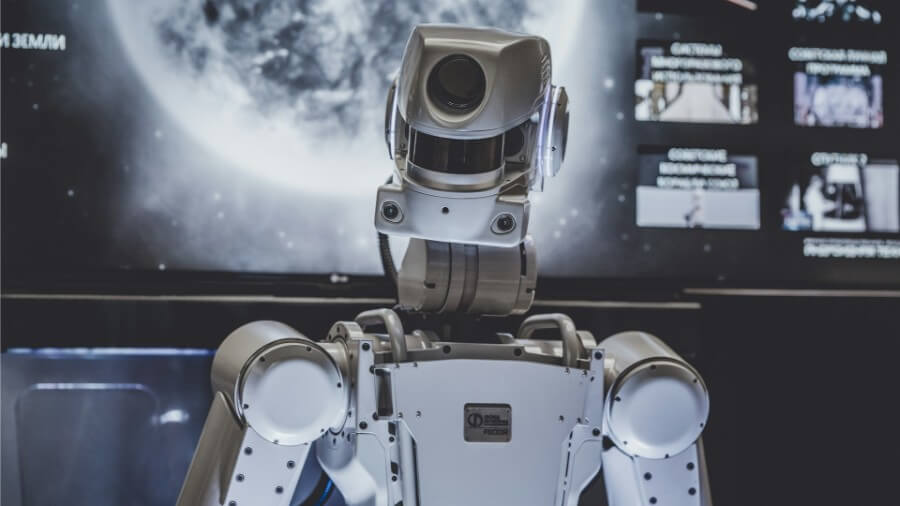
In today’s fast-paced digital world, the field of graphic design is undergoing a remarkable transformation. With the advent of Artificial Intelligence (AI) and Machine Learning (ML), graphic designers are embracing new tools and techniques that are revolutionizing the industry. One of the most exciting developments in this space is the integration of AI into marketing automation, which is reshaping how businesses approach graphic design.
Use AI terminology to assign responsibilities accurately
Artificial intelligence is a broad field; machine learning is an approach within it. Template rendering can follow explicit rules without learning from an audience. Those distinctions matter when deciding what a design system is expected to do.
For an illustrative campaign, separate drafting copy, selecting an approved image, filling a layout and measuring response. A tool might support one stage without performing the others. An API connection alone does not establish a prediction or optimization feature.
Ask for the input, output and review method behind each claimed capability. If a model selects a candidate, keep the reason for accepting or rejecting it. If a renderer fills a template, verify the source values and exported result. If analytics informs a change, record the measurement and the decision made from it.
Do not treat a hypothetical feature description as a confirmed product roadmap. Choose the actual service and plan using current documentation and a bounded trial.
Use the model-versus-template comparison, the generated-concept workflow and the designer review record to make the process explainable.
Practical guidance revised November 1, 2026. Examples are illustrative.
The Rise of AI in Graphic Design
1. Automated Design Generation
Template-based rendering and machine learning are different operations. Pixelixe can render an approved design from supplied values; this article does not establish that its renderer analyzes audience preferences or predicts design trends. Keep creative selection and output review explicit. For an educational campaign using math worksheets, an approved subject label is structured input, not proof of machine learning.
2. Personalized Marketing Materials
AI is enabling designers and marketers to create highly personalized marketing materials that resonate with individual consumers, serving as a powerful character AI alternative. Machine learning algorithms process vast amounts of customer data, from browsing behavior to purchase history, to tailor designs to specific audience segments. For example, an e-commerce company can generate personalized product catalogs for each customer, showcasing items they are most likely to be interested in. This level of personalization increases engagement and conversion rates, as consumers feel a stronger connection to the brand and its offerings.
3. Predictive Design Trends
AI’s ability to analyze and interpret design data is also instrumental in predicting future design trends. By scrutinizing global design trends, consumer preferences, and emerging visual styles, machine learning models can provide valuable insights to designers. Armed with this knowledge, designers can create designs that resonate with the latest consumer tastes, ensuring that their work remains fresh and appealing. Businesses that incorporate these predictive insights into their branding and marketing efforts are better positioned to stay ahead of the competition and capture market trends as they emerge.
Marketing Automation and Graphic Design
1. Dynamic Content Creation
Marketing automation platforms are increasingly integrating AI-driven design tools to enable dynamic content creation. This means that businesses can automatically generate and update marketing materials in response to real-time data and customer behavior. For instance, an e-commerce website can use AI to create personalized email templates that showcase products based on a customer’s recent browsing history. This dynamic approach keeps marketing materials relevant and engaging, resulting in higher click-through rates and conversions.
2. A/B Testing and Optimization
AI-powered A/B testing has become a cornerstone of marketing automation. This practice allows businesses to systematically test different design variations and automatically select the most effective ones. Machine learning algorithms analyze the performance data and fine-tune designs in real time. As a result, marketing materials are continuously optimized to deliver the best results. This iterative process enhances conversion rates and maximizes the impact of marketing campaigns, ensuring that businesses get the most out of their design efforts.
3. Personalized Customer Journeys
Marketing automation workflows are increasingly leveraging AI to create personalized customer journeys through visually appealing graphics and designs. As customers interact with a brand across various touchpoints, AI-driven systems can dynamically adapt the design elements to match the customer’s preferences and journey stage. Whether it’s customized product recommendations, tailored landing pages, or personalized social media ads, AI ensures that each customer’s experience is unique and compelling. This level of personalization deepens customer engagement, fosters brand loyalty, and ultimately drives conversions.
Challenges and Ethical Considerations
While the integration of AI and ML in graphic design and marketing automation holds immense promise, it also raises important ethical questions. Designers and businesses must grapple with issues related to data privacy, algorithmic bias, and the potential loss of human creativity in the design process. Balancing the power of AI with ethical considerations is paramount to ensuring that the future of design is both innovative and responsible.
Conclusion
In conclusion, the future of graphic design is undeniably intertwined with AI and Machine Learning. As technology continues to advance, designers and businesses must adapt to this new landscape. Embracing AI-driven design and marketing automation can lead to greater efficiency, personalization, and competitive advantage. However, it’s crucial to approach these innovations with a sense of responsibility and a commitment to ethical design practices.
The fusion of AI, Machine Learning, and graphic design is not just a trend; it’s a paradigm shift that promises to redefine the industry in ways we are only beginning to understand. As businesses navigate this exciting future, they should do so with an eye on innovation, creativity, and the well-being of their customers. The rise of AI in graphic design and AI logo design is characterized by the proliferation of automated design generation tools. Do not infer a learning or prediction capability from the presence of a rendering API; check the current documented function.