

Cold email remains one of the highest-ROI channels available to B2B companies, consistently delivering qualified decision-makers to your calendar without the unpredictability of paid advertising.
Cold email remains one of the highest-ROI channels available to B2B companies, consistently delivering qualified decision-makers to your calendar without the unpredictability of paid advertising.

In today’s fast-changing digital world, it’s just not cutting it anymore to churn out traditional articles and static content. Readers aren’t just looking for a quick fix of dry info - they’re hungry for an immersive experience that grabs hold of their senses, gets them fully bought in, and lets them shape the story as they go along. And this isn’t just a fleeting fad - it’s the next big thing in online publishing.
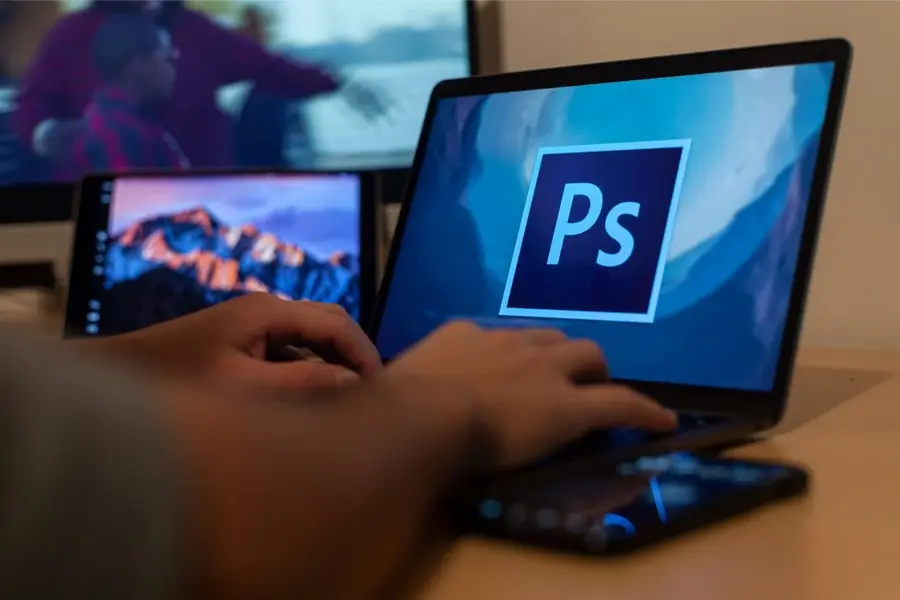
Sports marketing is a high-stakes game where teams, leagues and athletic brands don’t just compete on the field - they’re fighting for fans’ hearts, minds and purse strings. Yet despite the big budgets, the devoted fanbase and the intense scrutiny, a lot of sports brands still can’t get one fundamental thing right: their design and visual identity. From wobbly logos to cluttered social media graphics, bad design can shoot your engagement in the foot, erode fan loyalty and even dent your revenue streams.

Content marketing is a relentless engine. To keep organic traffic growing, brands need to publish useful content consistently and support that content with visuals that feel relevant, original, and recognisably on-brand.

Modern digital marketing relies heavily on capturing user attention within the first few crucial seconds of a visit. While well-crafted text provides the structural foundation for search engine rankings, the visuals that accompany those words are equally vital for sustained growth. High-quality imagery strengthens page experience, improves scannability, and gives search engines more context about what a page is trying to communicate.

There’s a surprising amount of confusion surrounding visual automation tools - especially when it comes to generating images at scale. Despite the growing adoption of platforms like Pixelixe, many teams still rely on outdated assumptions about how automated image generation works.
Most marketers don’t struggle with launching campaigns. The real challenge starts after that, when performance doesn’t match expectations.

Freelance writing has gotten more complicated in the last couple of years. Clients are asking questions about AI. Publications are adding disclosure policies. Editors at some outlets now run submissions through detection tools before they respond. And if you’re a freelancer using AI to help with research, ideation, or rough drafts, content creation is now a core part of your freelance work, and you need to know how your finished work actually reads before you hit send.

In today’s fast paced business environment, creating high quality presentations is more important and more time pressured than ever. Whether pitching to clients, reporting to stakeholders, or educating team members, polished slides can make or break your message.
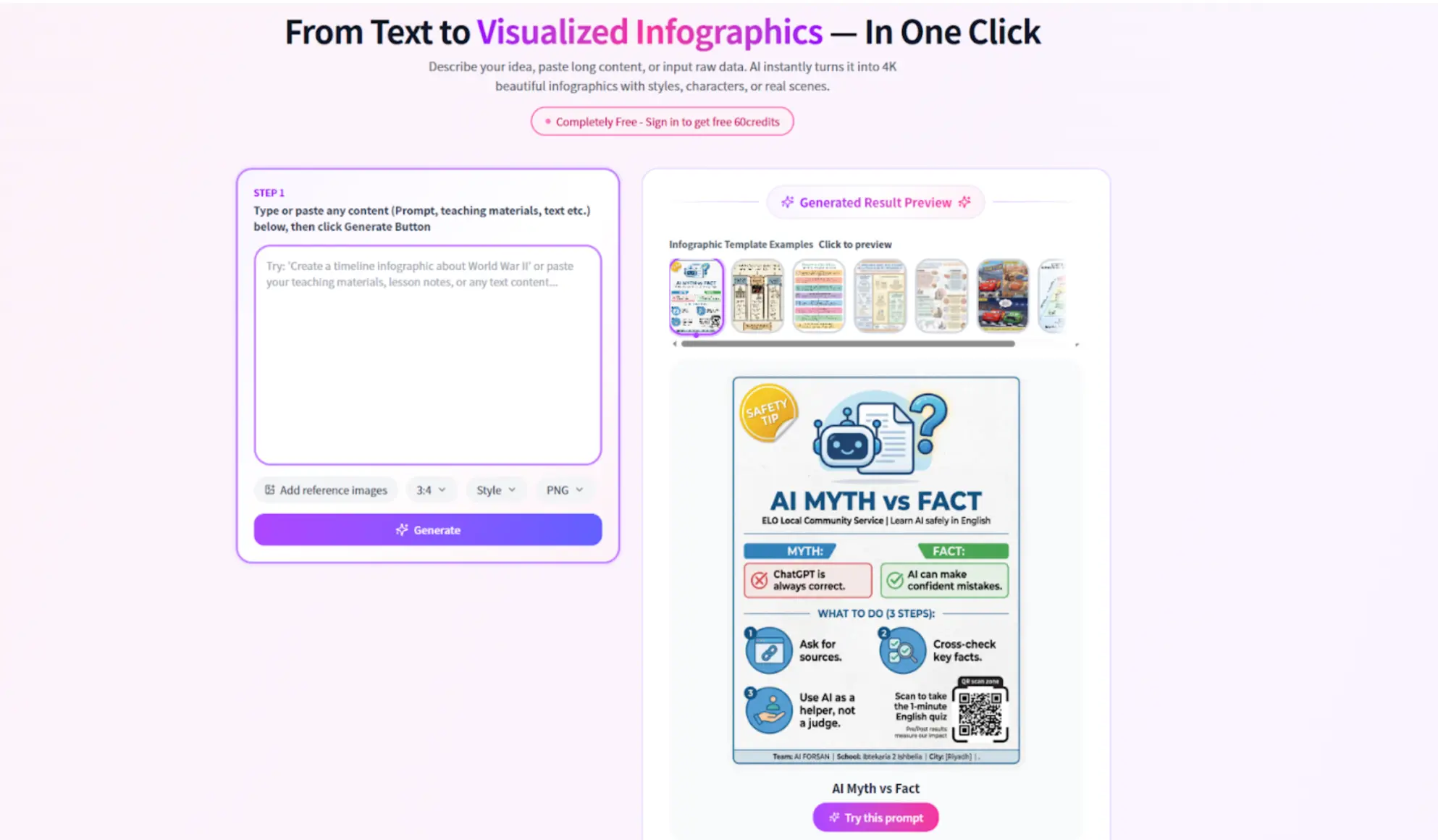
As we navigate through 2026, the digital landscape has become increasingly saturated. With the relentless flood of information crossing our screens daily, presenting data clearly is no longer merely a strategic advantage; it is an absolute necessity. Whether you are a marketing professional breaking down a complex user funnel, a teacher illustrating historical timelines, or a project manager outlining quarterly strategies, walls of text simply fail to capture attention. Modern audiences demand digestible visual content.