AI can produce campaign copy in seconds. The operational challenge begins afterward: turning that copy into accurate, on-brand, channel-ready visuals without creating a new manual design queue.

AI can produce campaign copy in seconds. The operational challenge begins afterward: turning that copy into accurate, on-brand, channel-ready visuals without creating a new manual design queue.
![]()
Everyone has a graveyard of marketing tools they tried once, forgot, and never uninstalled. This is not that list. Content marketing today runs on the tools that turn research into copy, rough drafts into polished pages, and AI-generated text into writing that reads as if a person wrote it.

Digital safety products do more than provide settings, alerts, or dashboards. They also need to explain unfamiliar risks, help caregivers take appropriate action, and keep guidance consistent across websites, onboarding flows, emails, social channels, help centers, and partner campaigns.
Training providers do not have a single visual content problem. They have dozens of recurring communication needs distributed across locations, course types, dates, instructors, delivery formats, and learner stages.
Directing creative and eye-catching clips has always been trendy on social media. However, as time passes, the process becomes more and more difficult for human skills.
Industrial equipment generates more operational data than most teams can comfortably interpret. Sensors report changes in vibration, temperature, current, humidity, pressure, and other conditions. Maintenance systems add work-order status, asset history, technician assignments, parts availability, and service deadlines.
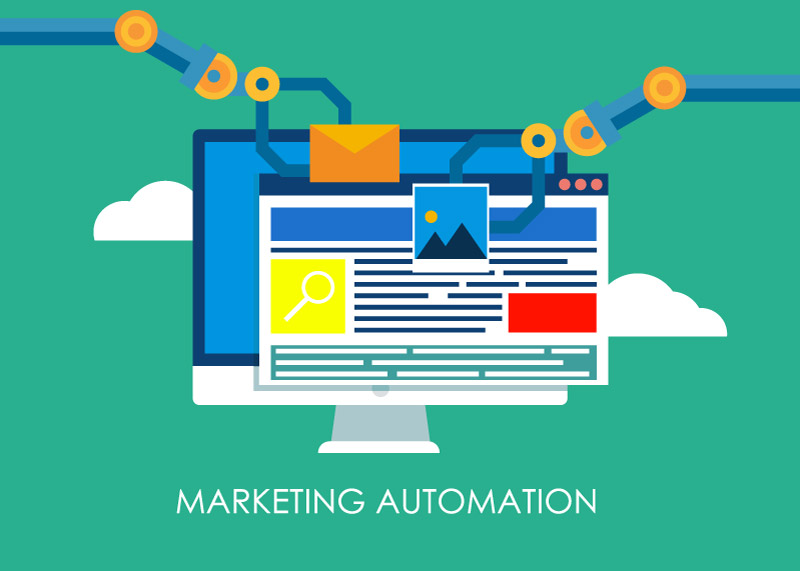
If you want to outperform generic campaigns in 2026, it’s time to start personalizing your customer targeting.
AI can draft a campaign headline in seconds. Creative automation can turn that headline into dozens of banners, social posts, email graphics, and localized ads almost as quickly. The difficult part is no longer producing content. It is making sure every generated variation remains accurate, distinctive, readable, and recognizably on-brand.
YouTube thumbnails are often treated as individual design tasks: finish a video, create one cover, publish it, and move on. That approach may work for an occasional upload, but it becomes fragile when a creator, media company, agency, or education platform manages several channels, formats, languages, and publishing schedules.
AI can generate an attractive character in seconds. The harder and more valuable task is turning that character into a recognizable brand asset that remains consistent across ads, social posts, product pages, email campaigns, and videos.