
Photo by Tranmautritam
Graphic design merges art with technology, shaping how we interact with the digital and physical realms.
Photo by Tranmautritam
Graphic design merges art with technology, shaping how we interact with the digital and physical realms.

Lifestyle blogging involves establishing a blog where you consistently share content about your life, hobbies, experiences, and daily routines. This type of blogging goes beyond focusing solely on one niche or topic and instead offers a more holistic view of your personal interests and lifestyle choices.

In a world overrun by pixels, pop-ups, and social media pings, you’d be forgiven for thinking that ‘print’ is a relic of yesteryears, gathering dust next to the vinyl records and VHS tapes. But hold onto your business cards because, in this high-speed digital express, there’s a quiet (yet powerful) renaissance of tangible branding chugging along.

Image credit: Pexels
What’s necessary to build and maintain a successful ecommerce strategy and brand has changed quite heavily in the last decade. Standards have gone up, of course: we all expect faster websites, more delivery options, better product photos, more sophisticated customer support, and various other such things. But something else has arisen: a strong need for transparency.

There’s no denying the pivotal role visuals play in marketing. As per MIT research, our brain processes images at an astonishing rate of 13 milliseconds — a speed that is 60,000 times faster than text (MIT News, 2014).

The gaming industry has witnessed unprecedented growth, with advancements in technology and storytelling pushing the boundaries of what games can achieve. Central to this evolution is graphic design, which plays a critical role in creating the visually stunning and immersive experiences that define modern gaming. This article delves deeper into how graphic design tools are revolutionizing content creation within the gaming industry, enhancing both efficiency and artistic expression.

In the digital era, where visual content significantly impacts consumer engagement, the pressure on small businesses to produce professional-quality graphics has intensified. High-quality visuals are not just an embellishment but a necessity for businesses striving to communicate their brand message effectively. This challenge is compounded for small businesses that may not have the budget or resources to hire professional designers. Fortunately, the advent of white label graphic creation tools offers a practical solution, empowering non-designers with the ability to craft compelling visual content.
New logo trends emerge every year, capturing the attention of design studios and designers who ensure they employ the most recent developments. There would be more quirky shapes and designs as the design industry strives to present the ideal logo with memorable, adaptable, and distinctive designs.
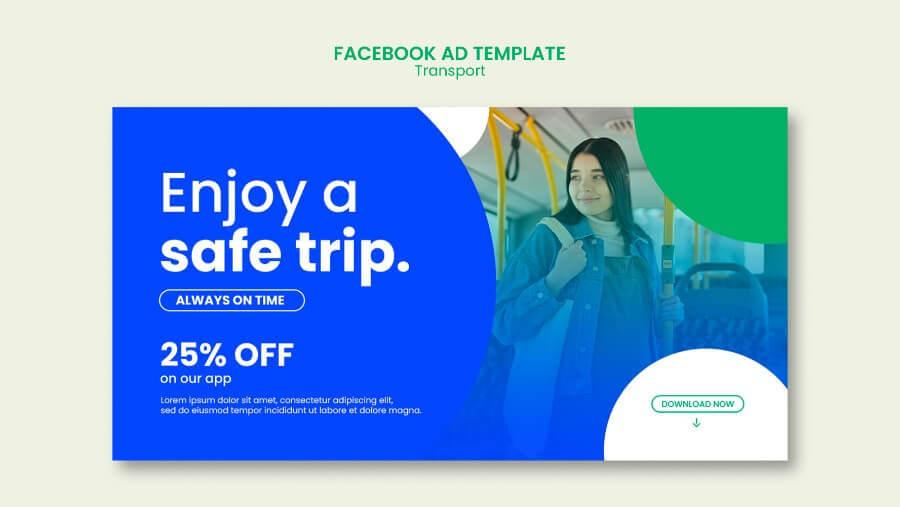
CTA banners fail for a simple reason: they try to say too much before the user even knows what to do next.
An effective call-to-action banner gives the eye a clear path. The viewer should understand the offer, spot the action, and decide whether to click within a few seconds. That means hierarchy matters more than decoration.

In the rapidly evolving landscape of global communication, the imperative for graphic design to reflect the rich tapestry of human diversity has never been more pronounced. Graphic design, as a form of visual communication, holds the power to influence perceptions, mold cultural narratives, and foster a sense of inclusivity. Creating graphics that are truly inclusive requires a deliberate and thoughtful approach, one that acknowledges and celebrates the myriad ways in which people differ. This article explores comprehensive strategies and considerations for graphic designers aiming to infuse their work with diversity and inclusivity.